
03/04/2026
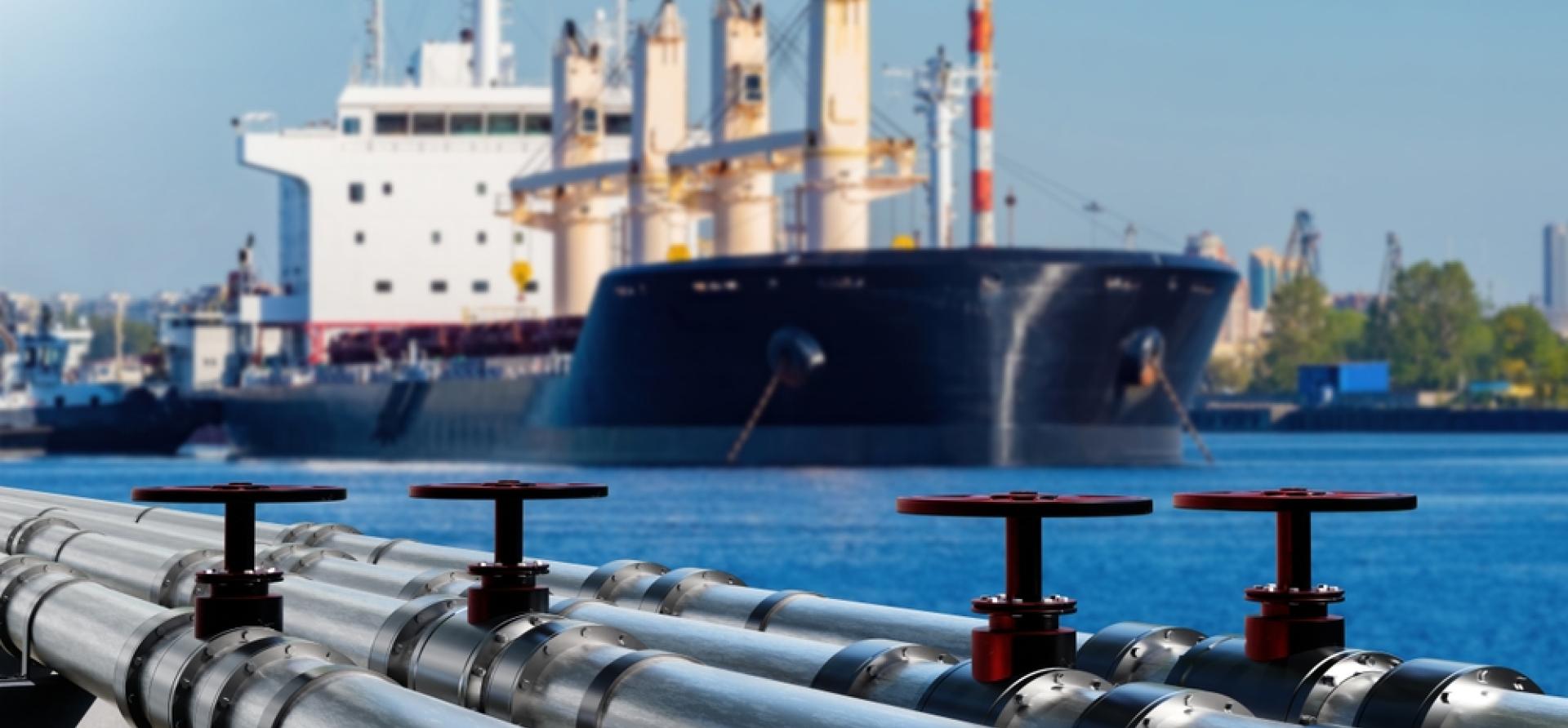
New Delhi, Mar. 4: India has crude oil and fuel stocks for six to eight weeks and is in a “reasonably comfortable” position to prevent any near-term supply shortage when it comes to major fuels like petrol, diesel, and liquefied petroleum gas (LPG) amid the ongoing military conflict in West Asia, a senior official from the Ministry of Petroleum and Natural Gas (MoPNG) said.
The conflict, which began on Saturday with Israel and the US hitting Iran with military strikes and Tehran retaliating by striking neighouring countries that house American military assets, has effectively halted shipments through the critical chokepoint of the Strait of Hormuz, from where a bulk of India’s oil and gas supplies transit.
In the case of liquefied natural gas (LNG), India’s cushion is thinner as additional LNG stockpiling is significantly more challenging than crude oil and petroleum fuels. Apart from the heavy curtailment in movement of cargoes through the Strait of Hormuz, India’s largest LNG supplier Qatar has also halted LNG production after a couple of its facilities got attacked by Iran.
The MoPNG official, who did not wish to be identified, said that the government is closely monitoring the situation and doesn’t expect any notable LNG supply hit if Qatar’s LNG production pause is for a week or 10 days. If the closure lasts beyond that, some additional measures like local supply adjustments could be explored. Moreover, Indian oil and gas companies are actively scouting for additional LNG cargoes from other source markets; alternative supply sources for crude oil and LPG are also being actively explored.
In recent months, roughly 2.5–2.7 million barrels per day (bpd) of India’s crude imports—accounting for around half of the country’s total oil imports—have transited the Strait, mainly from Iraq, Saudi Arabia, the UAE, and Kuwait; the longer-term average is around 40%. India is the world's third-largest consumer of crude oil with an import dependency level of over 88%. Majority of the country’s gas consumption is also met through imports, and oil and gas supplies from West Asia are critical for India.
India depends on LNG to meet roughly half of its natural gas needs, and around half of India’s LNG imports—from Qatar and the UAE—come through Hormuz. As for LPG, the bulk of India’s demand is met through imports, and over 80% of these volumes come via the narrow waterway. Cargo movement through Hormuz came to a standstill after Iran warned of attacks on ships, following which insurers and shipping lines became loath to cross the Strait.
According to the official, Indian refiners currently have crude oil stocks to last around 25 days, and around half of these would be replenished on an ongoing basis as supply from non-Hormuz regions continues unabated. This inventory includes oil in refiners’ storage tanks and pipelines, and on tankers in transit. Additionally, India has strategic petroleum reserves that are currently estimated to hold crude reserves worth another week or so of the country’s daily oil consumption of 5.6 million bpd.
Apart from the crude oil inventory and reserves, Indian refiners have sufficient stocks of major fuels like petrol, diesel, and LPG for another 25 days’ worth of domestic demand, the official added. As refineries continue to process crude, produce fuels, and get more oil from regions other than West Asia, these stocks will keep shifting, and the effective coverage would be extended.
Separately, the MoPNG issued a statement, saying that the country is “well stocked with crude oil and inventories of key petroleum products” to deal with short-term disruptions arising from the conflict in West Asia. “…in the last few years, India has ensured both availability and affordability of energy for its population by diversifying its sources. Indian energy companies now have access to energy supplies that are not routed through the Strait of Hormuz. Such cargoes will remain available and help mitigate supplies that may be temporarily affected enroute through the Strait of Hormuz,” the ministry said.
“The Ministry has established a 24×7 Control Room to continuously monitor the supply and stock position of petroleum products across the country. At present, the Government is reasonably comfortable in terms of stocks. Safeguarding the interests of Indian consumers remains the highest priority. Based on continuous monitoring, the Government is cautiously optimistic that phased measures can be taken, if required, to further mitigate the situation,” it added, but did not provide details of oil and fuel stocks.
In addition to the available crude and fuel inventories, Indian refiners could accelerate spot procurement from non-Hormuz regions, and deepen supply contracts with alternative suppliers. Diversification options include increased sourcing from Russia, the US, West Africa, and Latin America. Moreover, there is continued availability of Russian cargoes in the Indian Ocean and Arabian Sea region, including volumes in floating storage, that India could turn to. This volume build-up was a result of Indian refiners substantially reducing their intake of Russian crude.
According to experts, LNG and LPG imports are the bigger vulnerability for India. Unlike crude, India does not maintain LPG or LNG reserves of comparable scale, making their flows more logistically sensitive in a disruption scenario. The supply situation for these two fuels might become relatively challenging for India in the event of a protracted Hormuz closure, although industry watchers don’t expect the crisis to last too long considering the criticality of the waterway for global energy trade.
The MoPNG official said that Indian oil and gas companies were already in the market for sourcing more LPG from non-Gulf producers, adding that there are enough alternative suppliers available, and India is “tapping them”. For instance, India has recently started receiving LPG from the US as part of a term contract. If the need arises, domestic refineries can also increase LPG production. As for LNG, around half of India’s 27-million-tonnes-per-annum import volumes come from non-Gulf sources. Indian LNG importers are in the market for securing additional short-term volumes to tide over any supply constraint that the crisis in West Asia may result in, it is learnt. If required, other options like rationalising supplies to certain industries that can operate on alternative fuels, can be explored.
Government officials and industry experts underscored that the impact of the West Asian crisis and the Strait of Hormuz disruption will essentially depend on how long the disruption will last. The longer it takes for energy flows to resume fully through the Strait, the more significant the impact is expected to be. According to experts, India is well-positioned to prevent any major short-term supply shock when it comes to oil imports due to alternative sources of supply being available, although it will have to bear the brunt of the higher energy prices as a result of the conflict. International prices of crude oil and LNG have already shot up due to the conflict and Strait of Hormuz disruption.-Agencies



Tehran, June 21: As India presses ahead with Operation Sindhu to evacuate its citizens from Iran amid intensifying hostilities in the Middle East, the Indian Embassy in Tehran has announced that, upon formal requests from the governments of Nepal and Sri…

Kathmandu, Nov. 24: The joint training exercise "SURYA KIRAN-XVII" of Nepali Army and Indian Army is starting from 24 November 2023 in Pithoragarh, India. The Nepalese army team that will participate in the exercise, which will be attended by the…
New Delhi, May 5: Indian Prime Minister Narendra Modi will be the guest of honour for this year’s Bastille Day Parade in Paris scheduled to take place on July 14. In a statement, the Ministry of External Affairs (MEA) of…