02/09/2026
Dhaka, Feb. 9: Bangladesh heads into a closely fought general election this week that many voters and analysts describe as the country’s most competitive since 2009, following the ouster of long-time prime minister Sheikh Hasina and the banning of her Awami League party.
With the opposition now in the spotlight, the contest is largely between the Bangladesh Nationalist Party (BNP) and a coalition led by Jamaat-e-Islami, with young voters, especially Generation Z, expected to play a decisive role.
The election, scheduled for February 12, comes after months of unrest that followed Hasina’s removal in a popular uprising in 2024, ending her 15-year rule.
For years under Hasina, opposition parties either boycotted elections or were weakened by arrests of senior leaders. This time, the situation has reversed.
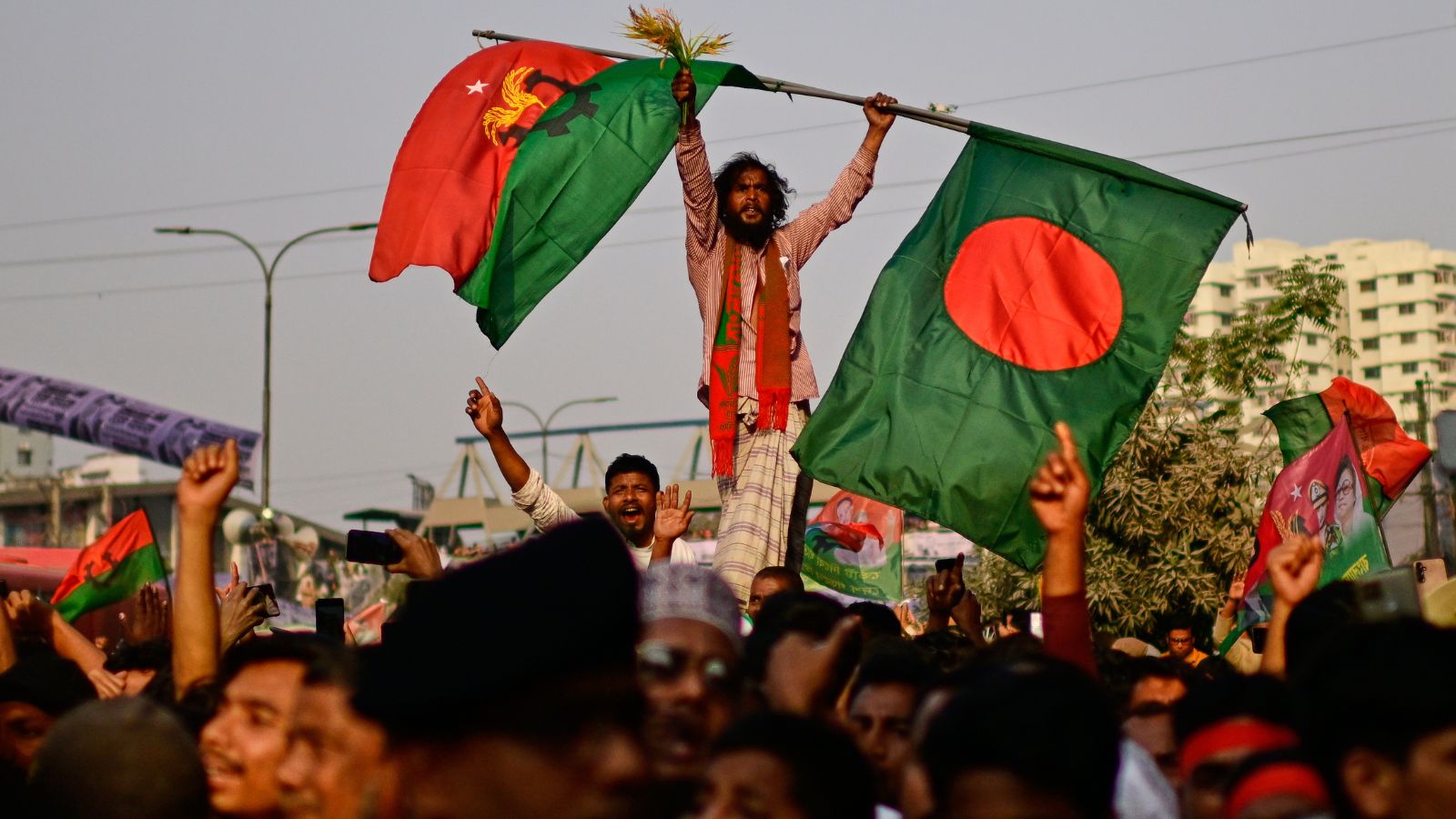
The Awami League is barred from contesting, and streets once dominated by its “boat” symbol are now filled with BNP’s “sheaf of paddy”, Jamaat’s “scales” and posters of independent candidates.
Many Bangladeshis say this is the first election in over a decade where voters feel their ballots will count.
“People couldn’t even vote during national elections. People had no voice,” said Mohammad Rakib, 21, a first-time voter. “I hope the next government, whoever comes into power, will ensure freedom of expression.”
Voters under 30 make up around a quarter of the electorate, according to analysts, giving them significant influence over the outcome.
A Gen Z-led political group that emerged from the anti-Hasina street protests has aligned itself with Jamaat after failing to convert its youth movement into an independent electoral base.
“Opinion polls suggest the BNP has an edge, but a significant portion of voters are still undecided,” said Parvez Karim Abbasi of the Centre for Governance Studies in Dhaka. “How Generation Z votes will carry considerable weight.”
Many young voters say their concerns are corruption, rising living costs and jobs, rather than ideology.
The BNP is contesting 292 of the 300 seats and is widely expected to emerge as the largest party. “We are confident of winning enough to form a government,” BNP leader Tarique Rahman told Reuters.
However, Jamaat – once banned and long sidelined – is projected to post its strongest performance yet, with analysts saying its reputation for organisational discipline and a “clean image” has boosted its appeal.
If the BNP wins, Rahman is seen as the frontrunner for prime minister. If the Jamaat-led alliance comes out ahead, its chief Shafiqur Rahman could take the role.
Bangladesh, home to about 175 million people, is struggling with high inflation, weak foreign reserves and slowing investment. It has sought billions of dollars in funding from the IMF and World Bank since 2022.
The vote will also shape Bangladesh's foreign ties. Analysts say China’s influence has grown since Hasina fled to India, while New Delhi’s role has weakened. A Jamaat-led government could shift ties further, though Jamaat says it is not aligned with any foreign power.
“We will have friendly relations with any country that offers what is suitable for my people and my country,” BNP’s Rahman said.
With turnout expected to be high, many voters see the election as a chance to reset Bangladesh’s politics after years of restricted choice.-Agencies


Tehran, June 21: As India presses ahead with Operation Sindhu to evacuate its citizens from Iran amid intensifying hostilities in the Middle East, the Indian Embassy in Tehran has announced that, upon formal requests from the governments of Nepal and Sri…
Kathmandu, Nov. 24: The joint training exercise "SURYA KIRAN-XVII" of Nepali Army and Indian Army is starting from 24 November 2023 in Pithoragarh, India. The Nepalese army team that will participate in the exercise, which will be attended by the…
New Delhi, May 5: Indian Prime Minister Narendra Modi will be the guest of honour for this year’s Bastille Day Parade in Paris scheduled to take place on July 14. In a statement, the Ministry of External Affairs (MEA) of…