02/11/2026
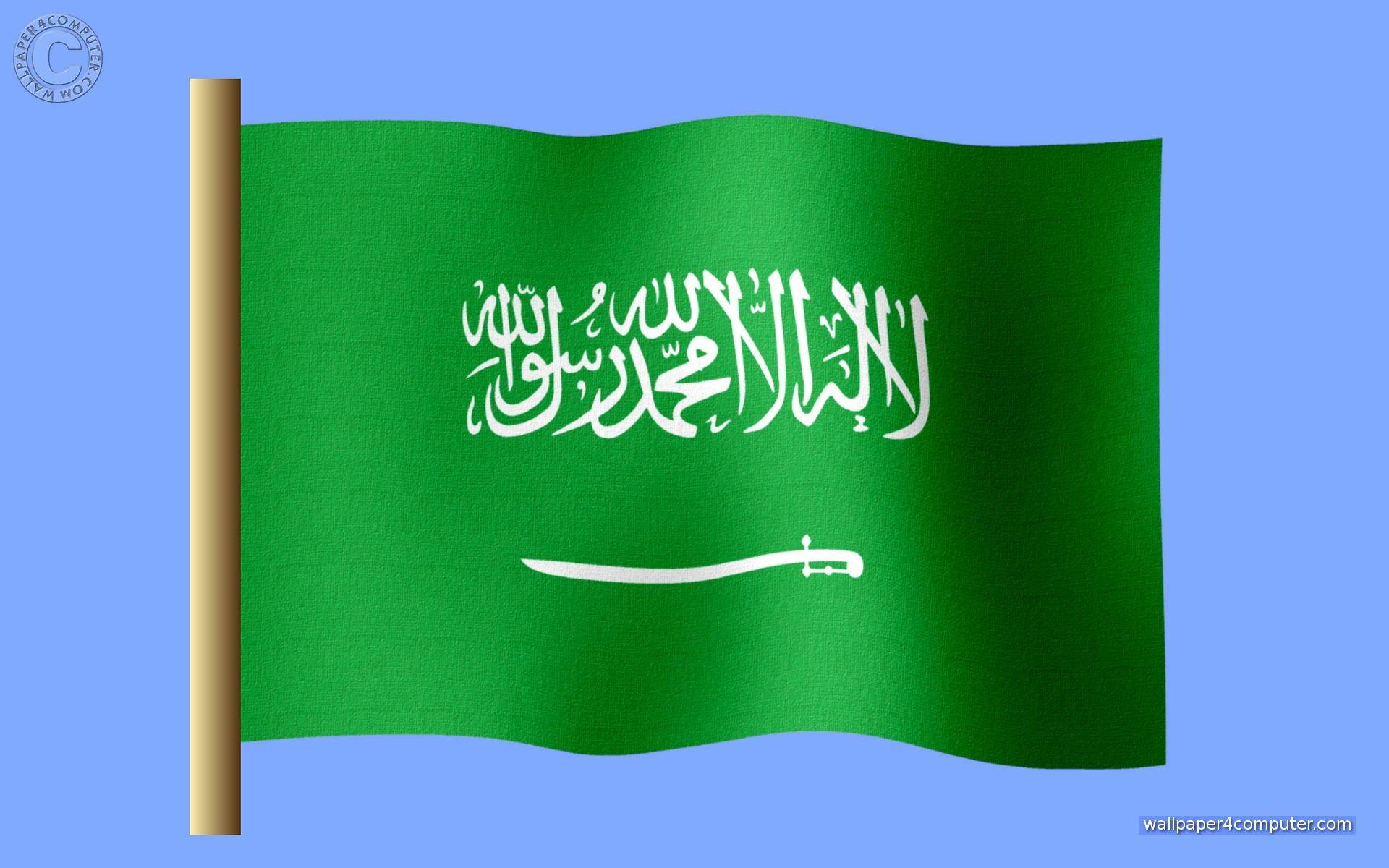
Riyadh, Feb. 11: Saudi Arabia has lifted a 73-year-old ban that prevented people from buying alcohol in the country. The move is part of the kingdom’s efforts to restructure its global image and make it attractive to investors and tourists alike.
The Middle Eastern country, which had banned alcohol sales back in 1952, has slowly modernised itself in the last few years by re-opening cinemas, hosting music festivals, and lifting the ban on women drivers.
However, making alcohol legal is one of the boldest steps the nation has taken to modernise itself to date.
According to the BBC, the first liquor shop in Riyadh opened back in January 2024, but entry was initially limited to non-muslim diplomats.
However, the new rules introduced at the end of last year allow wealthy, non-Muslim foreign residents to purchase beer, wine and spirits.
Located in Riyadh’s affluent Diplomatic Quarter, which houses embassies and upscale residents, the small liquor shop is situated inside an unmarked beige coloured complex.
To buy alcohol from the shop, Saudi Arabia says the expat should have a Premium Residency permit that costs 100,000 Saudi riyals ($27,000) annually or show that they earn at least 50,000 riyals per month.
In case you were wondering, Saudi Arabia’s Premium Residency scheme is usually open for senior foreign executives, investors and select professionals.
However, anyone going to the shop will have to present their residence ID to the security guards at the entrance. The card includes information like religion and residency status. If someone does not have the permit, they will have to carry a company-issued certificate letter.
The report goes on to say that people who purchased alcohol from the shop said that their mobile phones were sealed in tamper-proof bags before they were allowed inside.
Also, queues often stretch for more than an hour, but the process was reportedly smooth once inside.
A European expatriate said that the store was “well-stocked”, but the prices were “two to three times” higher than Western markets. However, they are still reportedly lower than Saudi Arabia’s black market.
In a statement to the publication, a British company executive said that “a bottle of Johnny Walker Black Label cost me $124. But I don’t mind paying the premium.”
The quantity of alcohol a person can buy is decided by a complex points-based monthly quote system, but it is generous enough in the sense that an individual can buy dozens of litres of spirits every month. Also, diplomats will be eligible for a discount on their purchases.
While the government of Saudi Arabia hasn’t officially made any announcement, buyers said that they learned about the shop via word of mouth, as the store’s name does not appear anywhere on online maps.
Alcohol is banned under Islamic law, but it is sold in the black market, away from public view, where unregulated homemade alcohol and smuggled supplies are distributed.
Also, a significant portion of branded alcohol enters Saudi Arabia’s informal market via embassies, since they can import unlimited quantities because of their diplomatic privileges.
For years, Saudi Arabia has been looking for ways to draw more foreign visitors and boost the tourism-based economy and increase investments in sectors like AI and manufacturing.
In 2024, the Middle Eastern country attracted somewhere around 30 million international visitors, with non-religious travellers accounting for more than half.-Agencies


Tehran, June 21: As India presses ahead with Operation Sindhu to evacuate its citizens from Iran amid intensifying hostilities in the Middle East, the Indian Embassy in Tehran has announced that, upon formal requests from the governments of Nepal and Sri…
Kathmandu, Nov. 24: The joint training exercise "SURYA KIRAN-XVII" of Nepali Army and Indian Army is starting from 24 November 2023 in Pithoragarh, India. The Nepalese army team that will participate in the exercise, which will be attended by the…
New Delhi, May 5: Indian Prime Minister Narendra Modi will be the guest of honour for this year’s Bastille Day Parade in Paris scheduled to take place on July 14. In a statement, the Ministry of External Affairs (MEA) of…