01/27/2026
New Delhi, Jan. 27: Indian Prime Minister Narendra Modi on Tuesday said that the India-European Union trade deal will boost manufacturing in India and also expand services-related sectors in the country. Being dubbed as the “mother of all deals”, the free trade agreement, whose conclusion is set to be announced today, will further strengthen global businesses and investors’ confidence in India, Modi said while inaugurating virtually the India Energy Week here.
The Prime Minister said that this deal complements the trade agreements with the UK and Australia, and will provide strength to both trade and global supply chains, and added that various sectors in India, like textiles, gems and jewelry, leather, and jute, are set to benefit from the trade deal.
“People around the world are discussing it as the ‘Mother of All Deals’. This agreement has brought massive opportunities for 1.4 billion Indians and millions of people in European countries. It has become a wonderful example of synergy between two of the world’s major economies. This agreement represents approximately 25% of global GDP and about one-third of global trade,” Modi said.
“…this trade deal will not only boost manufacturing in India but also further expand sectors related to services. This free trade agreement will further strengthen confidence in India for every business and investor in the world,” the Prime Minister said.
Modi said that along with trade, the India-EU trade deal also strengthens India and the EU’s shared commitment to democracy and rule of law.
Official-level negotiations for the trade deal have been wrapped up and both sides are set to announce the successful conclusion of talks today at the India-EU Summit in Delhi. The formal signing of the agreement would take place later this year after legal scrubbing of the agreement is completed. This assumes significance as the trade deal has been decades in the making — the talks first started in 2007 but were abandoned in 2013 due to differences in market access for automobiles.
“After subsuming a few chapters, India and the EU have completed talks on 21 chapters. While the legal scrubbing of the deal would take four to five months, the trade deal will come into effect by early next year after being ratified by the European Parliament,” an official said on Monday.
The trade agreement is expected to be among the most comprehensive deals that India would sign, which could benefit India’s labour-intensive sectors, ranging from marine products, textiles, footwear and sports goods. India is also likely to open its automobile and alcoholic beverage sectors, given the EU’s strong interest in the areas.
The India-EU talks had gathered urgency amid dramatic shifts in American trade policies that have forced trade partners globally to scout for newer markets. While India is facing steep 50 per cent tariffs, the EU continues to face the risk of higher US tariffs despite a trade deal with Washington due to its tech regulations and differences over Greenland.
A key driver of the trade deal has also been the shared challenge of China. Indian industry has been encountering pricing challenges, especially while trying to scale up the solar energy sector. The EU is concerned about China’s dominance in critical technologies, as China holds a leading global manufacturing position in several areas, exposing the EU to potential risks.-Agencies
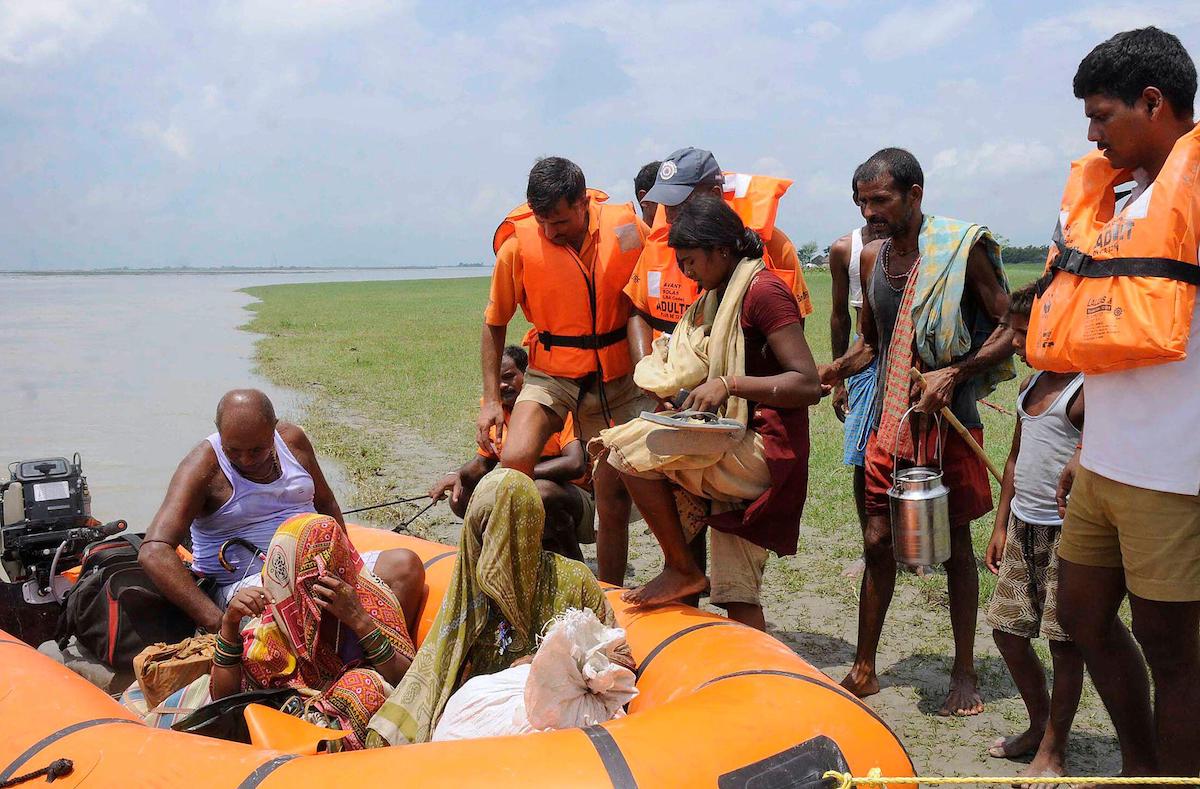
Tehran, June 21: As India presses ahead with Operation Sindhu to evacuate its citizens from Iran amid intensifying hostilities in the Middle East, the Indian Embassy in Tehran has announced that, upon formal requests from the governments of Nepal and Sri…
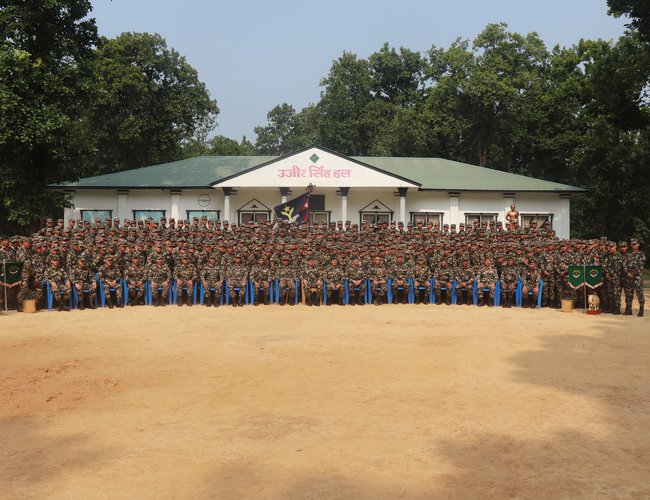
Kathmandu, Nov. 24: The joint training exercise "SURYA KIRAN-XVII" of Nepali Army and Indian Army is starting from 24 November 2023 in Pithoragarh, India. The Nepalese army team that will participate in the exercise, which will be attended by the…
New Delhi, May 5: Indian Prime Minister Narendra Modi will be the guest of honour for this year’s Bastille Day Parade in Paris scheduled to take place on July 14. In a statement, the Ministry of External Affairs (MEA) of…