05/21/2026
Kampala, May 21: The World Health Organization (WHO) on Wednesday said it may take up to nine months to develop a vaccine against the new strain of Ebola virus. WHO advisor Dr Vasee Moorthy said two possible vaccines for the Bundibugyo strain are being worked on. However, neither of these two strains has been tested in clinical trials yet, reported the BBC.
Tedros said after meeting on Tuesday, the health organisation’s emergency committee agreed that the situation was ‘not a pandemic emergency’. ‘WHO assesses the risk of the epidemic as high at the national and regional levels and low at the global level,’ he explained.
WHO Director-General Dr Tedros Adhanom Ghebreyesus said, “This is the first time that a director general has declared a ‘Public Health Emergency of International Concern’ before convening an emergency committee.” He further added that he took this step in accordance with Article 12 of the International Health Regulations.
The WHO chief said after consulting the health ministers of DR Congo and Uganda, and in view of the need for urgent action, I determined that the situation was not a pandemic emergency, which is of new and highest classification under the amended International Health Regulations.
He added, “After declaring the PHEIC, I immediately convened an emergency committee under the IHR, which met yesterday and agreed that the situation is a public health emergency of international concern but it is not a pandemic emergency.”
WHO chief Dr Tedros Adhanom Ghebreyesus said there have been 600 suspected cases of Ebola and 139 suspected deaths, though the numbers are expected to rise due to delays in detecting the virus. Speaking to journalists in Geneva, he said 51 cases have been confirmed in the Democratic Republic of Congo, where the first case was reported, and two in neighbouring Uganda, reports the BBC.
The BBC report added that the 51 confirmed cases in the Democratic Republic of Congo are in the eastern Ituri province, the centre of the outbreak, and North Kivu province. Of the two confirmed cases in Uganda’s capital, Kampala, both had travelled from DR Congo, and one has died.
“We know the outbreak in DRC is much bigger,” the WHO chief said, adding that healthcare workers were among those who had died, which was especially worrying. Local health workers said some hospitals are overwhelmed. Although protective equipment has started to arrive, they said they are still working without enough protection.
Trish Newport, an emergency programme manager at Médecins Sans Frontières (MSF), said health facilities are saying they are full of suspected cases and have no more space. “This shows how serious the situation is right now,” news agency AFP quoted her as saying.
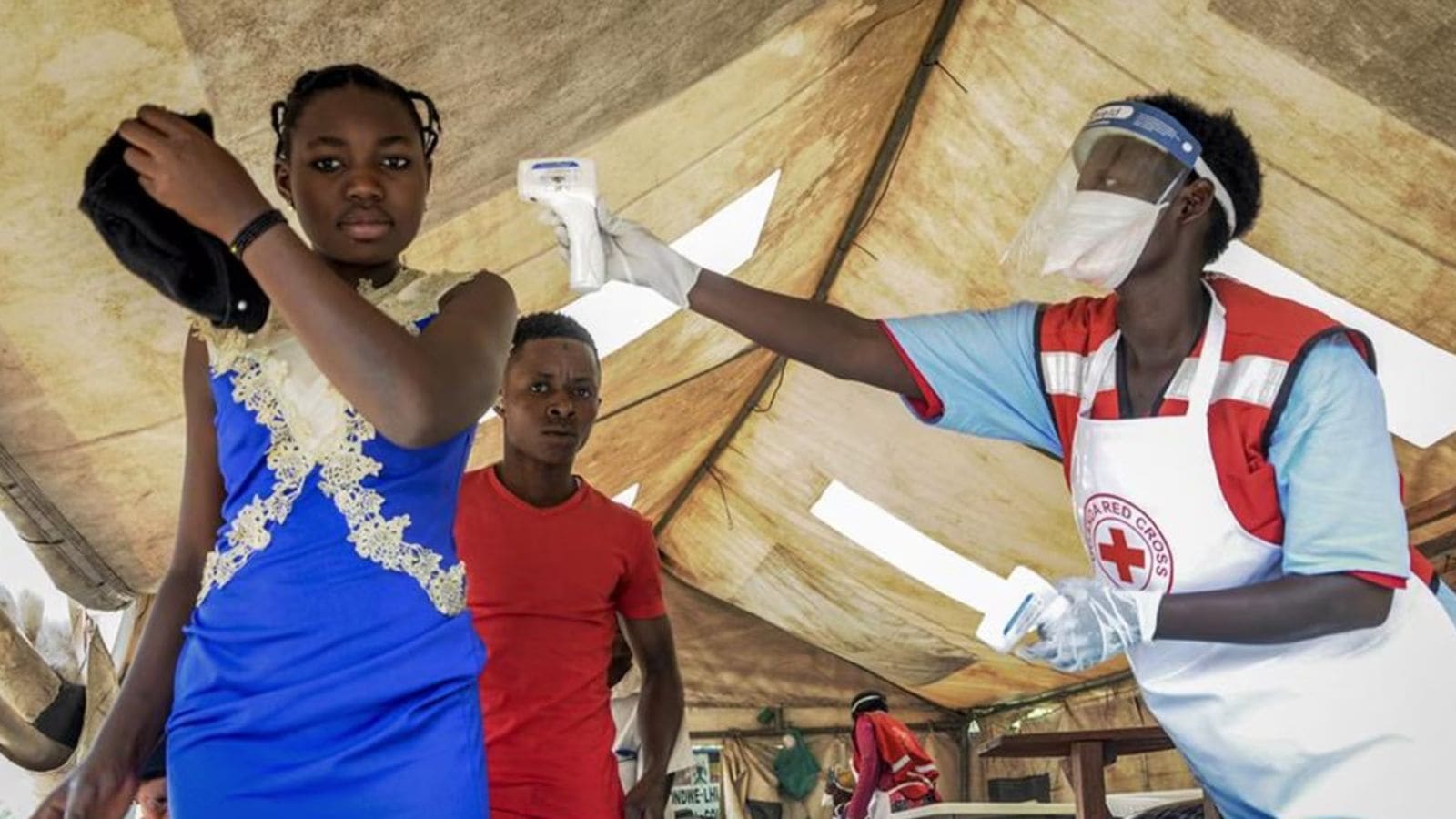
Tons of health supplies have been flown to Bunia, where the first known Ebola death was reported last week. However, residents say face masks are becoming harder to find, and the price of some disinfectants has risen sharply, reports the Associated Press.
At a treatment centre in Rwampara in Uganda, families watched as health workers in protective gear prepared the bodies of suspected Ebola victims for safe burial. Many said the illness worsened quickly after early symptoms were mistaken for diseases such as malaria. One mother told AP that her son began complaining of heart pain before he started bleeding and vomiting.
The first known case was a nurse who developed sympyoms and died on 24 April in Bunia, the capital of Ituri province. Her body was taken to Mongwalu, one of two gold-mining towns where most cases have been reported.
Araali Bagamba, a lecturer in Bunia, said people understand how serious the situation is. She told the BBC that people have stopped shaking hands, which is a big change in daily life.
Ebola spreads through direct contact with bodily fluids and can cause severe bleeding and organ failure. Bagamba said many people believe the outbreak could get worse before it gets better, as the virus was not recognised as Ebola at first.
A WHO official said investigations are underway to find out how long the virus has been spreading, but the main priority is to stop further transmission.
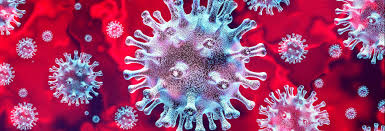
Ebola is highly infectious and spreads through contact with bodily fluids such as blood, vomit and semen. Symptoms include fever, vomiting, diarrhoea, muscle pain, and sometimes internal and external bleeding.
The WHO has declared the outbreak a public health emergency of international concern, warning about its scale and speed. Officials say the outbreak caused by the rare Bundibugyo strain may last at least two months after spreading undetected for weeks.
Ebola was first discovered in 1976 in what is now the Democratic Republic of Congo and is believed to have spread from bats. There are four types of Ebola known to infect humans, including the Zaire strain, which DR Congo has faced several times.
The country is now dealing with its 17th Ebola outbreak, but the Bundibugyo strain, which has not been seen for more than 10 years, brings new challenges. It has caused only two previous outbreaks, in Uganda in 2007 and DR Congo in 2012, killing about one-third of those infected.
Although Bundibugyo is less deadly than other Ebola strains, there are fewer tools to fight it. There is no approved vaccine yet, though experimental vaccines are being developed. A vaccine for the Zaire strain may offer some protection.-Agencies


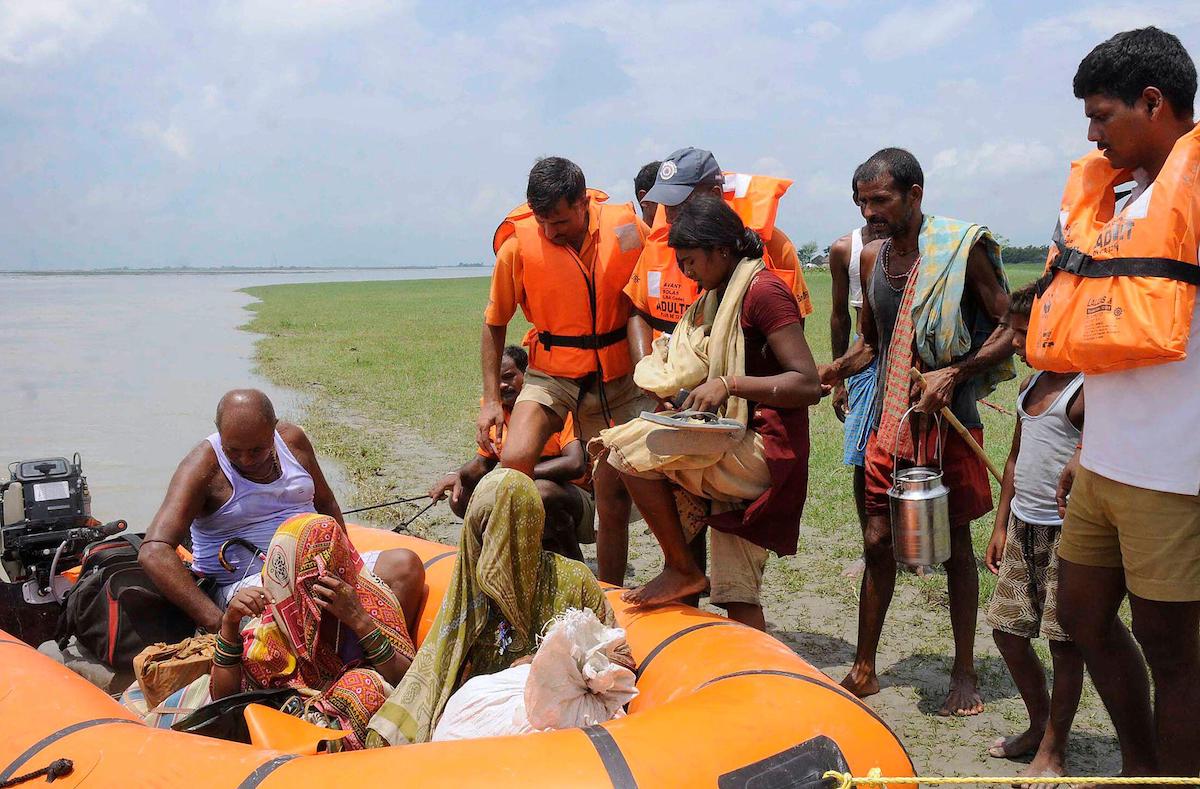
Tehran, June 21: As India presses ahead with Operation Sindhu to evacuate its citizens from Iran amid intensifying hostilities in the Middle East, the Indian Embassy in Tehran has announced that, upon formal requests from the governments of Nepal and Sri…
Kathmandu, Nov. 24: The joint training exercise "SURYA KIRAN-XVII" of Nepali Army and Indian Army is starting from 24 November 2023 in Pithoragarh, India. The Nepalese army team that will participate in the exercise, which will be attended by the…
New Delhi, May 5: Indian Prime Minister Narendra Modi will be the guest of honour for this year’s Bastille Day Parade in Paris scheduled to take place on July 14. In a statement, the Ministry of External Affairs (MEA) of…