12/31/2025
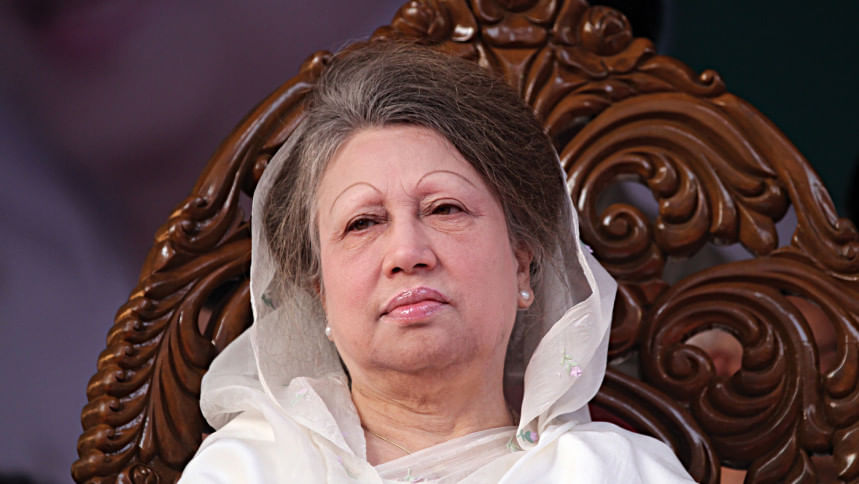
Dhaka, Dec. 31: Khaleda Zia, Bangladesh’s first woman Prime Minister, passed away on Tuesday, December 30, at 6 AM. The Bangladesh Nationalist Party announced her death in a Facebook post. She was 80.
Her son Tarique Rahman returned to Bangladesh after a 17-year exile on December 25. After the death of Khaleda Zia, who was the BNP chairman, Rahman is likely to assume the post full time. He’s presently the acting chairman of the party.
Zia’s death comes just before the February 12 polls scheduled next year.
Zia was suffering from advanced cirrhosis of the liver, diabetes, arthritis, and chest and heart problems. She was admitted to Evercare Hospital in Dhaka on November 23, where she breathed her last.
Zia served as Bangladesh’s prime minister three times — 1991-96, briefly in 1996, and again from 2001-06 — and is widely remembered for expanding access to education and initiating key economic and administrative reforms.
After the fall of military rule, elections in February 1991 brought the BNP to power, and Zia became the country’s first woman Prime Minister. Her government restored the parliamentary system through the 12th Constitutional amendment. A major focus of her first term was education: primary schooling was made free and compulsory, education for girls was free up to Class 10, and the education budget was hiked.
Her first administration also introduced major economic reforms, including VAT, new banking and financial laws, and steps toward privatization. Bangladesh joined the GATT, set up an export processing zone near Dhaka, and pursued administrative changes such as direct mayoral elections and restructuring local government.
Zia’s second term in 1996 was brief, following an election boycott that led to the introduction of a caretaker government system. The BNP then lost the subsequent election and became the main opposition.
Ahead of the 2001 polls, the BNP formed a four-party alliance and won a decisive victory, returning Zia to office for a third term. Her government pursued a 100-day reform programme, attracted foreign investment, improved infrastructure, and maintained strong GDP growth.
Her tenure ended in October 2006 amid political unrest over the caretaker government, eventually leading to military-backed interim rule and elections in 2008. During this period Bangladesh topped the list of most corrupt nations on the Corruption Perception Index.-Agencies
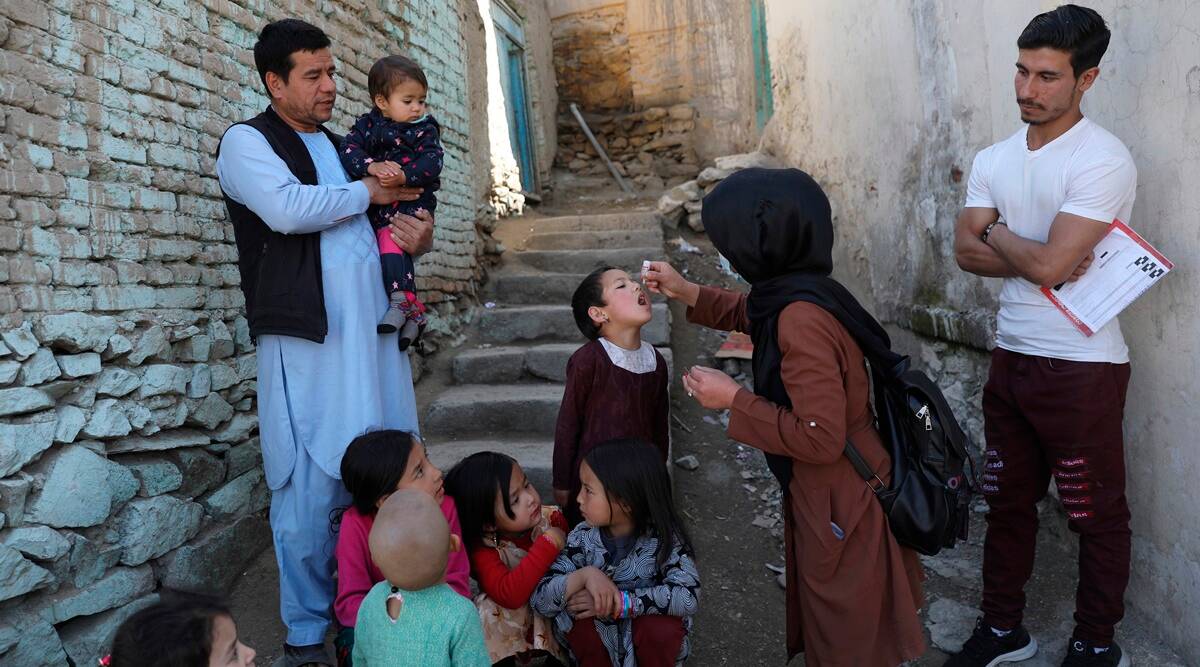


Tehran, June 21: As India presses ahead with Operation Sindhu to evacuate its citizens from Iran amid intensifying hostilities in the Middle East, the Indian Embassy in Tehran has announced that, upon formal requests from the governments of Nepal and Sri…
Kathmandu, Nov. 24: The joint training exercise "SURYA KIRAN-XVII" of Nepali Army and Indian Army is starting from 24 November 2023 in Pithoragarh, India. The Nepalese army team that will participate in the exercise, which will be attended by the…
New Delhi, May 5: Indian Prime Minister Narendra Modi will be the guest of honour for this year’s Bastille Day Parade in Paris scheduled to take place on July 14. In a statement, the Ministry of External Affairs (MEA) of…