
06/22/2026
London, June 22: UK Prime Minister Keir Starmer became the sixth leader to step down before completing a five-year tenure. Starmer, who had been facing immense pressure from his own Labour Party, said in an emotional speech, “Labour no longer believes I am the right person to lead the party.” However, for Britain, this was not a new phenomenon.
Over the past 10 years, the country has witnessed six different leaders. Several recent prime ministers, such as Rishi Sunak, Boris Johnson, and Theresa May, failed to complete a full term. In fact, Liz Truss held the post for only 50 days.
Historically, this was not always the case. In the past, prominent leaders like Winston Churchill, Margaret Thatcher, and Tony Blair lived at Downing Street for many years. However, over the last decade, British leadership has changed in rapid succession.
Like India, voters do not vote directly for the prime minister in the UK. Instead, they vote for local Members of Parliament (MPs). The leader of the political party that wins the most seats in Parliament usually becomes the prime minister.
A political party can replace its leader at any time if its members lose confidence in them. If a prime minister resigns or is forced out, their party stays in power and chooses a new leader without a full national election. National general elections must happen at least every five years, but the government can call one earlier.-Agencies




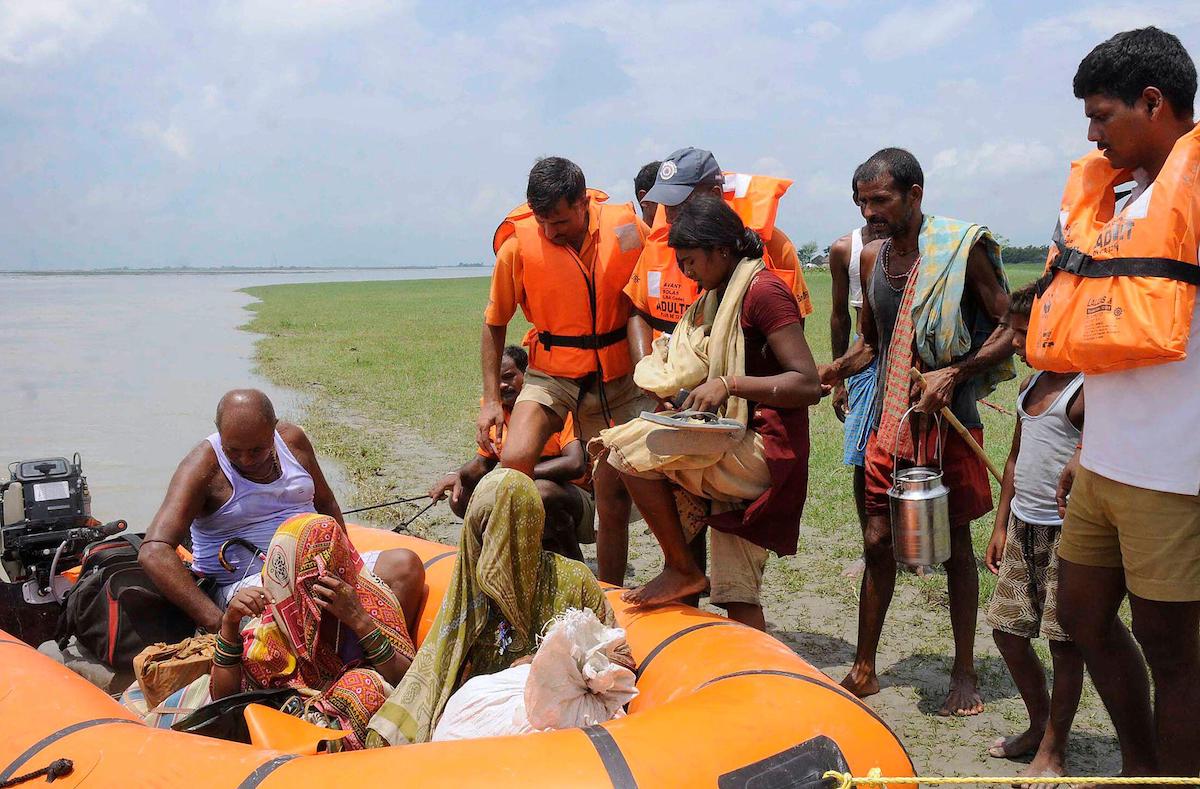
Tehran, June 21: As India presses ahead with Operation Sindhu to evacuate its citizens from Iran amid intensifying hostilities in the Middle East, the Indian Embassy in Tehran has announced that, upon formal requests from the governments of Nepal and Sri…
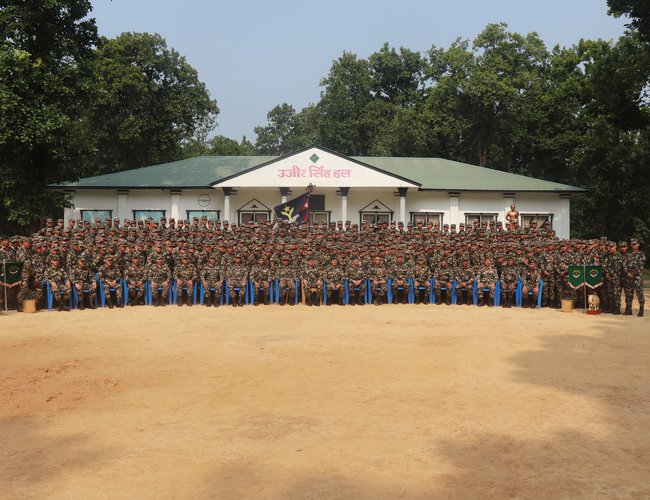
Kathmandu, Nov. 24: The joint training exercise "SURYA KIRAN-XVII" of Nepali Army and Indian Army is starting from 24 November 2023 in Pithoragarh, India. The Nepalese army team that will participate in the exercise, which will be attended by the…
New Delhi, May 5: Indian Prime Minister Narendra Modi will be the guest of honour for this year’s Bastille Day Parade in Paris scheduled to take place on July 14. In a statement, the Ministry of External Affairs (MEA) of…