02/02/2026
New Delhi, Feb. 2: India has rejected Pakistan’s claims that New Delhi was linked to a wave of coordinated attacks in Balochistan that killed dozens of people over the weekend.
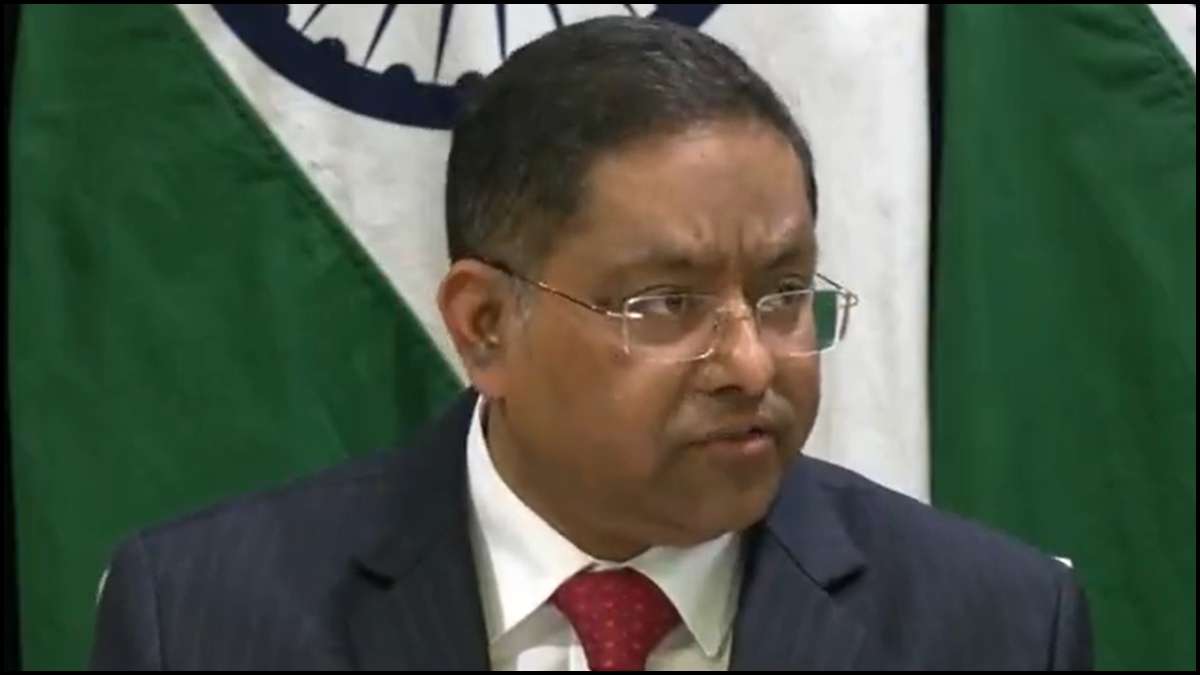
In a post on X, Indian external affairs ministry spokesperson Randhir Jaiswal said India “categorically rejects the baseless allegations made by Pakistan”, calling them an attempt to divert attention from Islamabad’s “internal failings”.
Pakistan’s security forces said the attacks began on Friday and continued for nearly 40 hours across more than a dozen locations, including Quetta, Gwadar, Mastung and Noshki.
According to Pakistani officials, armed men entered public places such as markets, hospitals, banks and schools, opening fire and attempting suicide bombings. Roads were briefly blocked in some areas, triggering large-scale counter-operations by the army, police and counter-terrorism units.
Pakistan’s junior interior minister Talal Chaudhry said the attackers disguised themselves as civilians.
“In each case, the attackers came in dressed as civilians and indiscriminately targeted ordinary people working in shops,” he said, adding that civilians were used as human shields.
Pakistan’s military said nearly 200 people were killed in the fighting includes:
Balochistan Chief Minister Sarfraz Bugti said intelligence agencies had received warnings ahead of the attacks and that security forces had begun limited operations a day earlier.
“We had intelligence reports that this kind of operation was being planned,” Bugti said.
Pakistan’s defence minister Khawaja Asif said two of the attacks involved female attackers and warned that militants were increasingly targeting civilians, labourers and low-income communities.
The banned Baloch Liberation Army claimed responsibility for the attacks saying it launched a coordinated operation named “Herof” or “black storm”.
The group claimed it killed 84 security personnel and captured 18 others. Pakistani authorities rejected those figures, and the claims could not be independently verified.
The military said security forces prevented any attackers from taking control of cities or strategic installations.
Balochistan, Pakistan’s largest but poorest province, has faced a decades-long separatist insurgency led by ethnic Baloch groups demanding greater autonomy and a larger share of natural resources.
The region is central to the China-Pakistan Economic Corridor, including the deep-water port of Gwadar, but residents have long complained that development projects have not improved daily life or access to jobs and services.-Agencies




Tehran, June 21: As India presses ahead with Operation Sindhu to evacuate its citizens from Iran amid intensifying hostilities in the Middle East, the Indian Embassy in Tehran has announced that, upon formal requests from the governments of Nepal and Sri…
Kathmandu, Nov. 24: The joint training exercise "SURYA KIRAN-XVII" of Nepali Army and Indian Army is starting from 24 November 2023 in Pithoragarh, India. The Nepalese army team that will participate in the exercise, which will be attended by the…
New Delhi, May 5: Indian Prime Minister Narendra Modi will be the guest of honour for this year’s Bastille Day Parade in Paris scheduled to take place on July 14. In a statement, the Ministry of External Affairs (MEA) of…